
🧠 Cognitive & Aptitude Tests
Practise the reasoning, memory and judgement formats that turn up in employment assessments. Every test below runs in the browser with a timer you set, a length you choose, and a written explanation for each question when you review your answers.
Cognitive & Aptitude

Numerical Reasoning Test
Master data interpretation and numerical analysis

Verbal Reasoning Test
Evaluate written information and draw logical conclusions
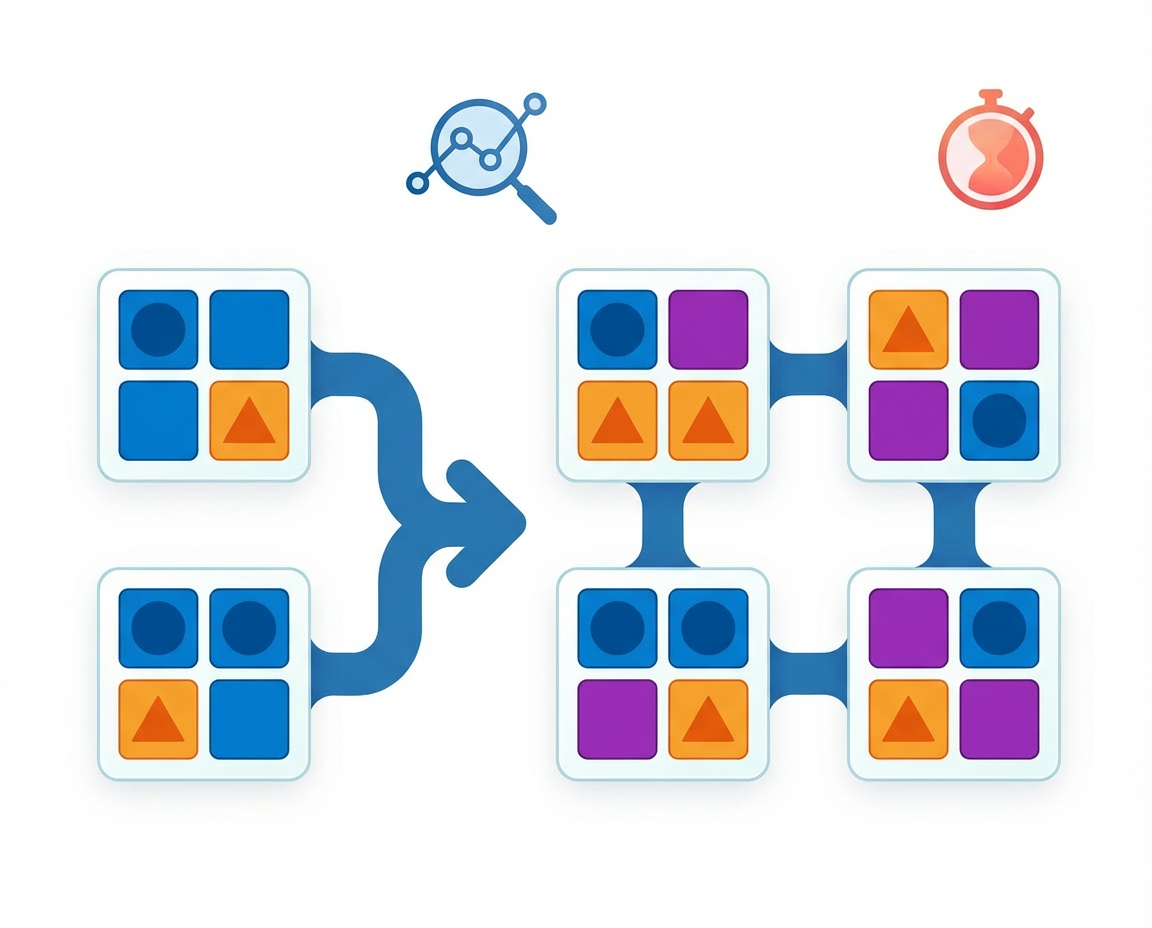
Inductive Reasoning Test
Identify patterns and apply logical rules
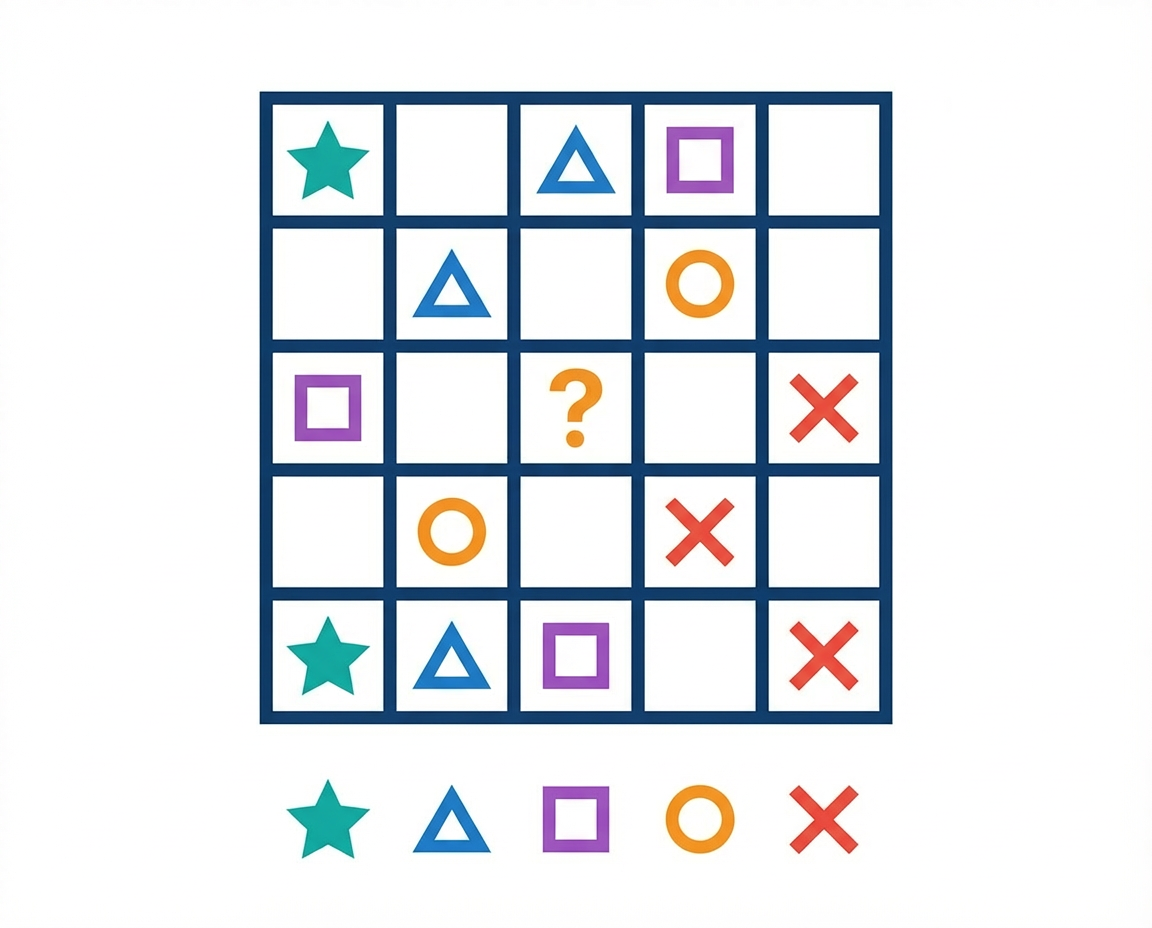
Deductive Reasoning Test
Apply logical rules to reach valid conclusions

Spatial Intelligence Test
Visualize and manipulate objects in space

Critical Thinking Test
Analyze arguments and evaluate evidence
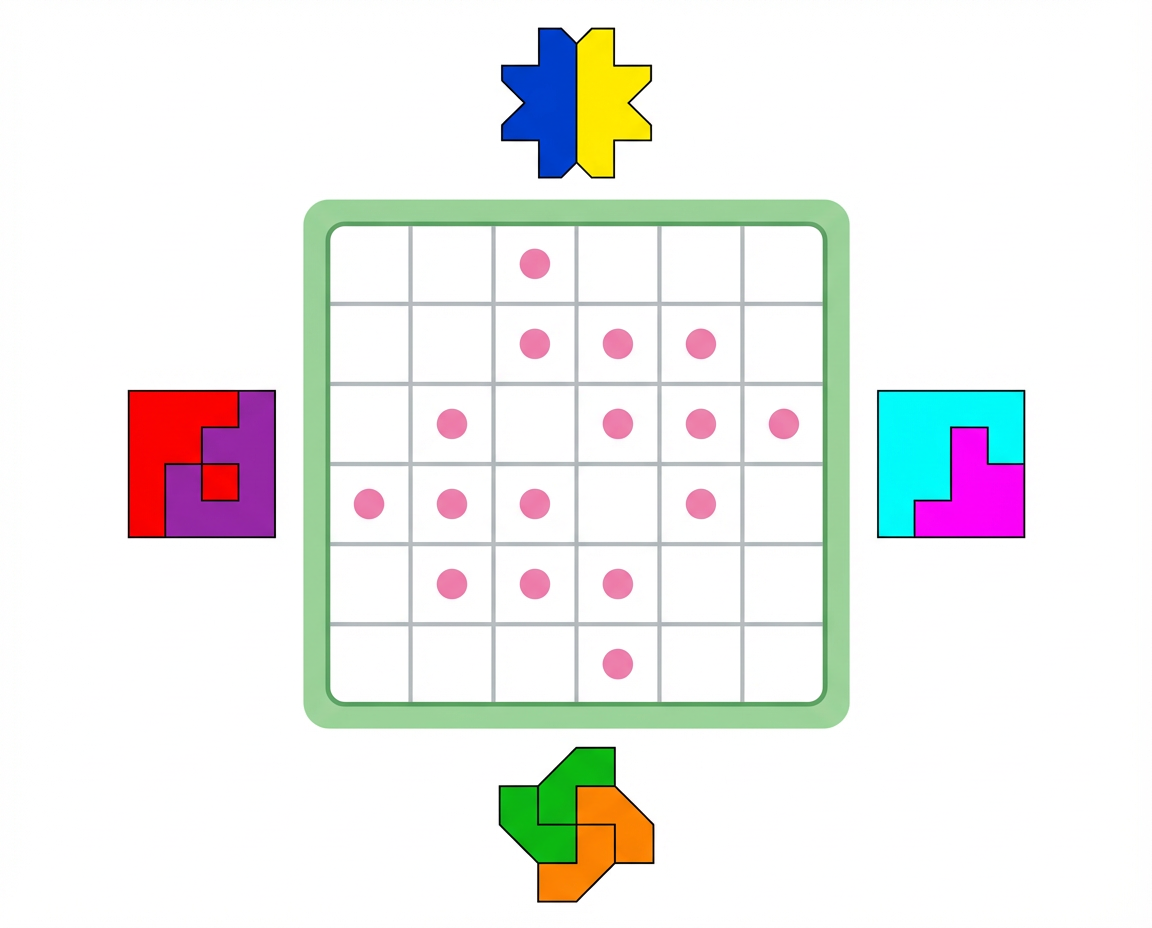
Grid Challenge
Test working memory and spatial reasoning
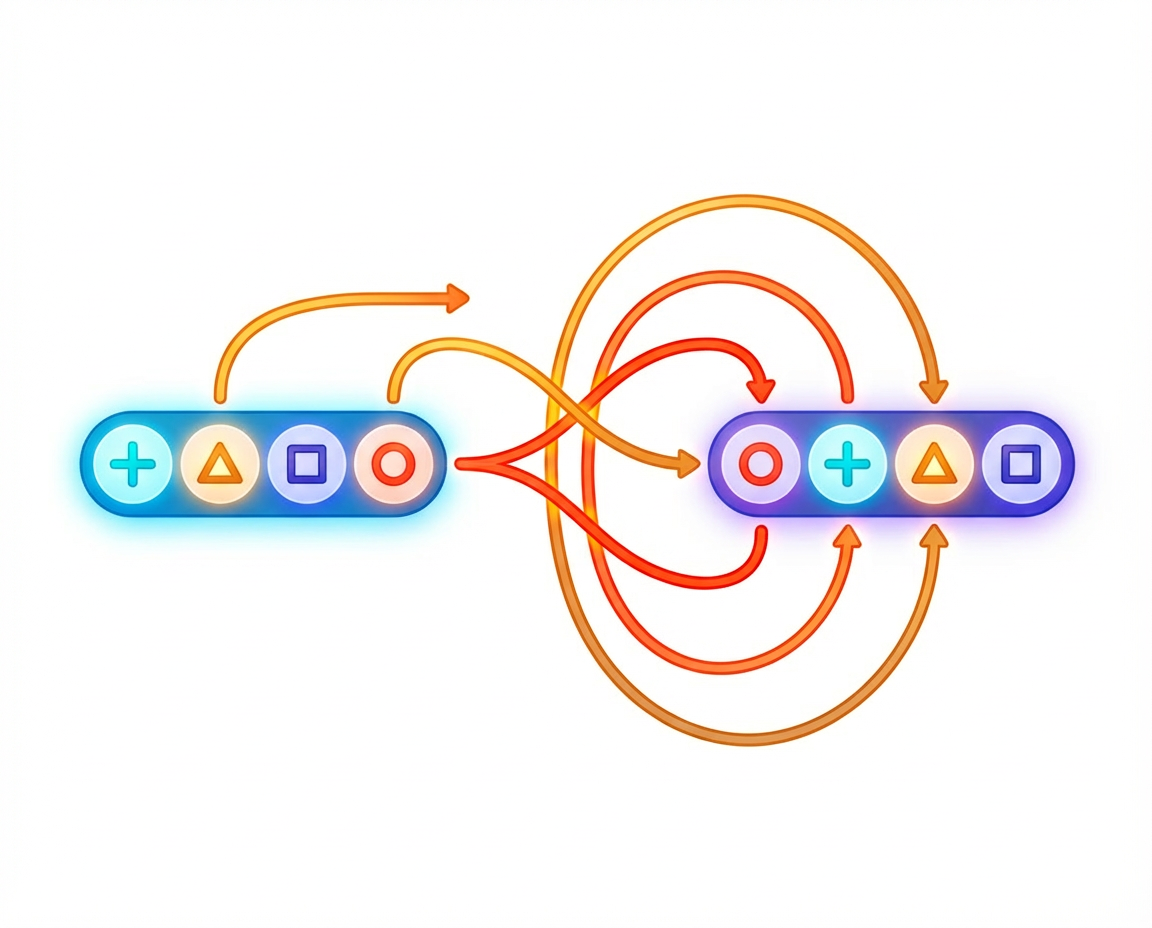
Switch Challenge
Track and apply abstract transformation rules

Word Relations Test
Master vocabulary logic and verbal analogies

Personality Assessment
Discover your professional personality profile

Situational Judgment Test
Navigate realistic workplace scenarios
MindGrid Memory Challenge
Challenge your visual memory and pattern recall
What is in this catalogue
The twelve tests on this page cover the families that employment assessments are usually built from. Four of them are reasoning tests built on written or numerical material: numerical reasoning works from charts and tables, verbal reasoning works from passages, critical thinking asks you to judge arguments and inferences, and word relations tests how precisely you can name the link between two words.
Four are abstract: inductive reasoning asks you to find a hidden rule in shape grids, deductive reasoning asks you to apply one, spatial intelligence covers cube nets, rotations and projections, and the Switch Challenge asks you to work out which hidden operators rearranged a row of symbols. Two are memory formats — the Grid Challenge, which interrupts you with reasoning questions between memorising and recall, and MindGrid, a shorter pure-recall drill. The last two look at how you work rather than how you reason: the personality assessment and the situational judgment test.
How to choose which test to practise first
If your assessment invitation names a format, start there and ignore everything else until it feels routine. If it does not, work from the shape of the role:
- Finance, analyst and commercial roles. Start with numerical reasoning, then critical thinking.
- Graduate schemes and general assessment batteries. Numerical and verbal reasoning first, then inductive reasoning, which is the format most graduate candidates have never seen before.
- Engineering, technical and design roles. Spatial intelligence first, then inductive and deductive reasoning.
- Technology and data roles. Deductive reasoning and the Switch Challenge, both of which reward picking up an unfamiliar rule system quickly.
- Customer-facing, healthcare and public-service roles. The situational judgment test, in the sector you are applying to, then the personality assessment.
- Game-style or interactive screening. The Grid Challenge and MindGrid, which are the two formats where a first attempt without practice is most likely to surprise you.
How to get the most out of a practice run
- Run the timer from the first session. Every format on this page is straightforward untimed and demanding under a clock, so untimed practice mostly builds false confidence.
- Start short. A 10-minute, 10-question run you review carefully teaches more than a 40-minute run you skim.
- Read every explanation, including the ones you got right. A correct answer reached by luck will not survive a harder question.
- Keep a note of the specific thing that cost you the mark. Patterns show up fast, and most people have two or three recurring errors rather than a general weakness.
- Rotate formats rather than grinding one. Two or three shorter sessions across different tests hold attention better than one long block.
Each test has its own page with the format, worked examples, a practice method and answers to the questions candidates ask most often. If you would rather read before you practise, the guides library covers the same material in article form, including how to prepare for an aptitude test in a week.