
🧠 Cognitive & Aptitude Tests
Explore original JTP reasoning, memory and judgement practice. Each introduction has worked examples to read freely. Interactive access, timer controls, question counts and feedback vary by module. Timed numerical, verbal and critical thinking practice requires sign-in; selected guest previews are available on other routes. These exercises are independent practice, not employer questions, and do not predict hiring outcomes.
Try six free aptitude questions before choosing a test
No account, card or timer. Work out each answer, then open the explanation. These original examples help you explore question types; they are not a scored assessment or an estimate of an employer's result. Full practice access varies by module.
1. Numerical reasoning: compare two rates
A team packs 84 boxes in 3 hours. At the same rate, how many boxes can it pack in 5 hours?
Choose: 112, 140, 168 or 252.
Show answer and explanation
Answer: 140. Divide 84 by 3 to find 28 boxes per hour, then multiply by 5. Multiplying by 5 before accounting for the original 3 hours mixes a total with a rate.
More numerical worked examples · Timed practice requires sign-in.
2. Verbal reasoning: use only the passage
Passage: Every apprentice at North Workshop attends a safety briefing before using the tools. Some apprentices also attend an evening class.
Statement: Every apprentice who attends an evening class has attended a safety briefing before using the tools. Is this true, false or cannot say?
Show answer and explanation
Answer: True. The briefing rule applies to every apprentice, including those in the evening class. It does not tell us whether everyone at the briefing is an apprentice.
More verbal worked examples · Timed practice requires sign-in.
3. Deductive reasoning: combine the constraints
Ada, Ben and Cy each take one different shift: morning, afternoon or night. Ada cannot take the morning or night shift. Ben cannot take the night shift. Which shift does Cy take?
Show answer and explanation
Answer: Night. Ada must take afternoon. That leaves morning and night; Ben must take morning, so Cy takes night. Each conclusion uses both the individual restrictions and the no-duplicates rule.
4. Inductive reasoning: check a proposed rule
Two example groups follow the same rule. Group 1: circle, circle, square. Group 2: triangle, triangle, circle. Which candidate follows the rule: star, star, triangle; or star, triangle, star?
Show answer and explanation
Answer: Star, star, triangle. In both examples the first two shapes match, and the third differs. Check the rule against both examples before selecting a candidate. With only these examples, other rules may also fit; this exercise asks about this specific proposed rule.
5. Switch Challenge: track positions instead of letters
A code lists input positions in their new output order. Apply code 3142 to A B C D. What is the output?
Show answer and explanation
Answer: C A D B. Take the third input first, then the first, fourth and second. For a second layer, apply its code to this output, not to the original input.
6. Critical thinking: separate evidence from an explanation
A company adds a training course in May. Its sales rise in June. A manager concludes that the course caused the rise. What information would help assess this conclusion?
Show answer and explanation
Answer: Check other changes and a comparison. For example, ask whether prices, demand or advertising also changed, and whether a comparable team without the course had a similar rise. An event happening before another event does not by itself establish causation.
More critical-thinking worked examples · Timed practice requires sign-in.
Already have an invitation? Identify your likely assessment, then choose the matching practice. Preparing for the next stage? Try written AI interview practice.
Cognitive & Aptitude

Numerical Reasoning Test
Master data interpretation and numerical analysis

Verbal Reasoning Test
Evaluate written information and draw logical conclusions
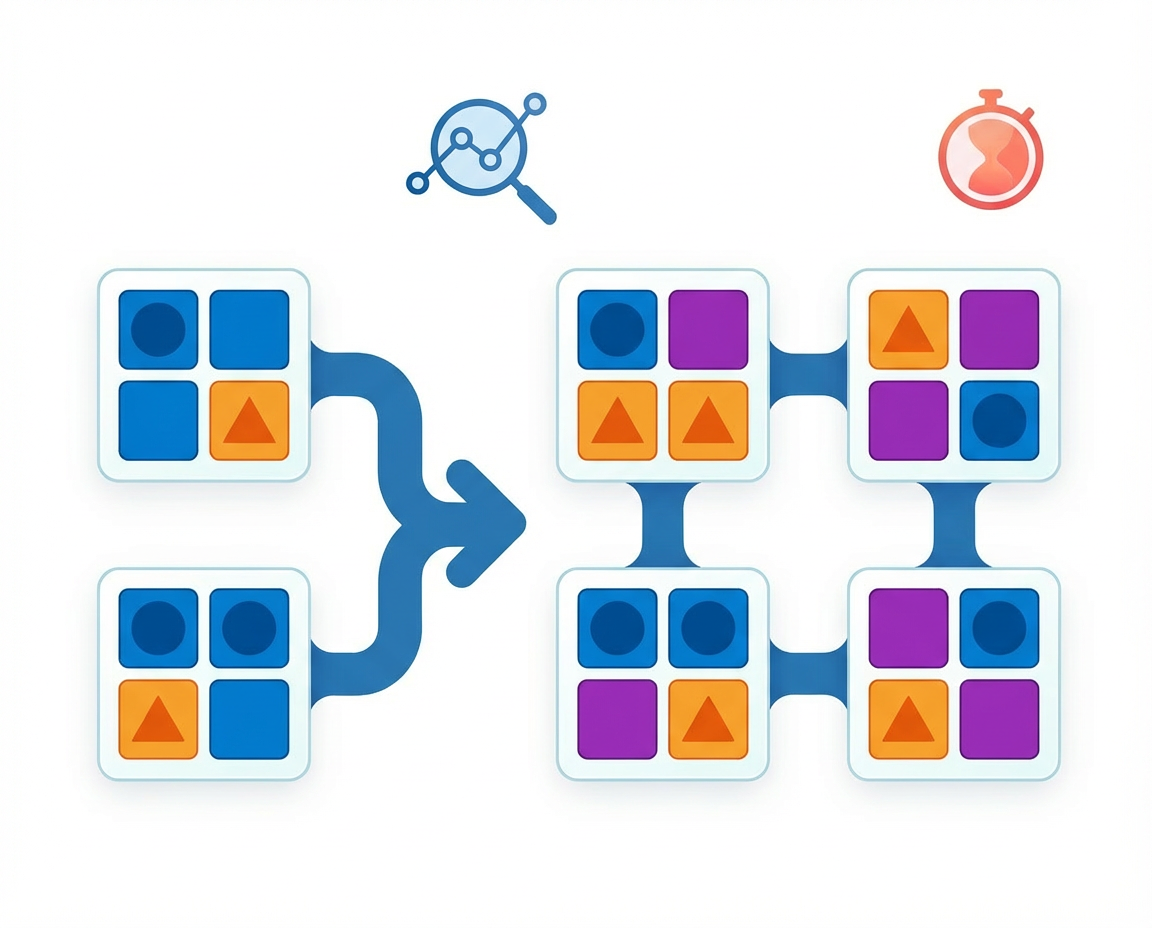
Inductive Reasoning Test
Identify patterns and apply logical rules
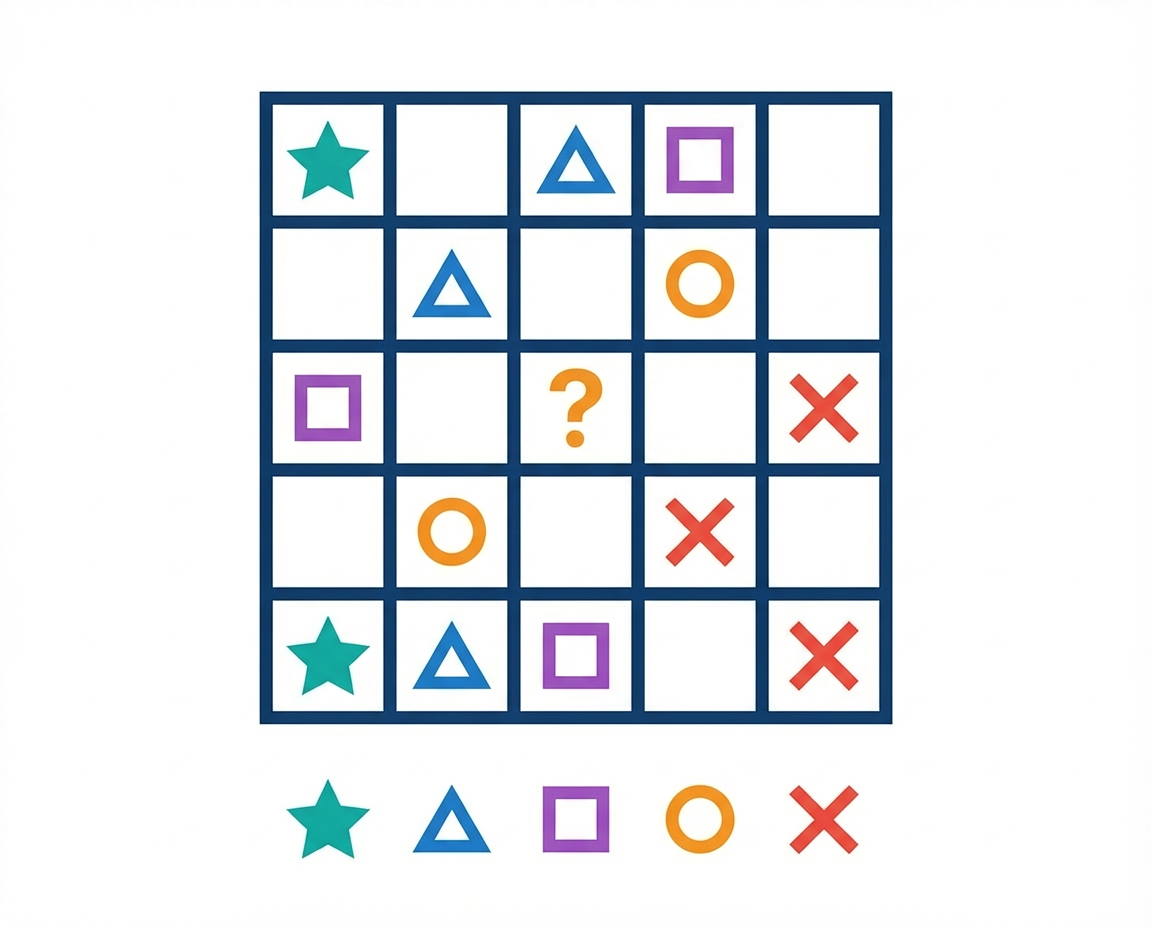
Deductive Reasoning Test
Apply logical rules to reach valid conclusions

Spatial Intelligence Test
Visualize and manipulate objects in space

Critical Thinking Test
Analyze arguments and evaluate evidence
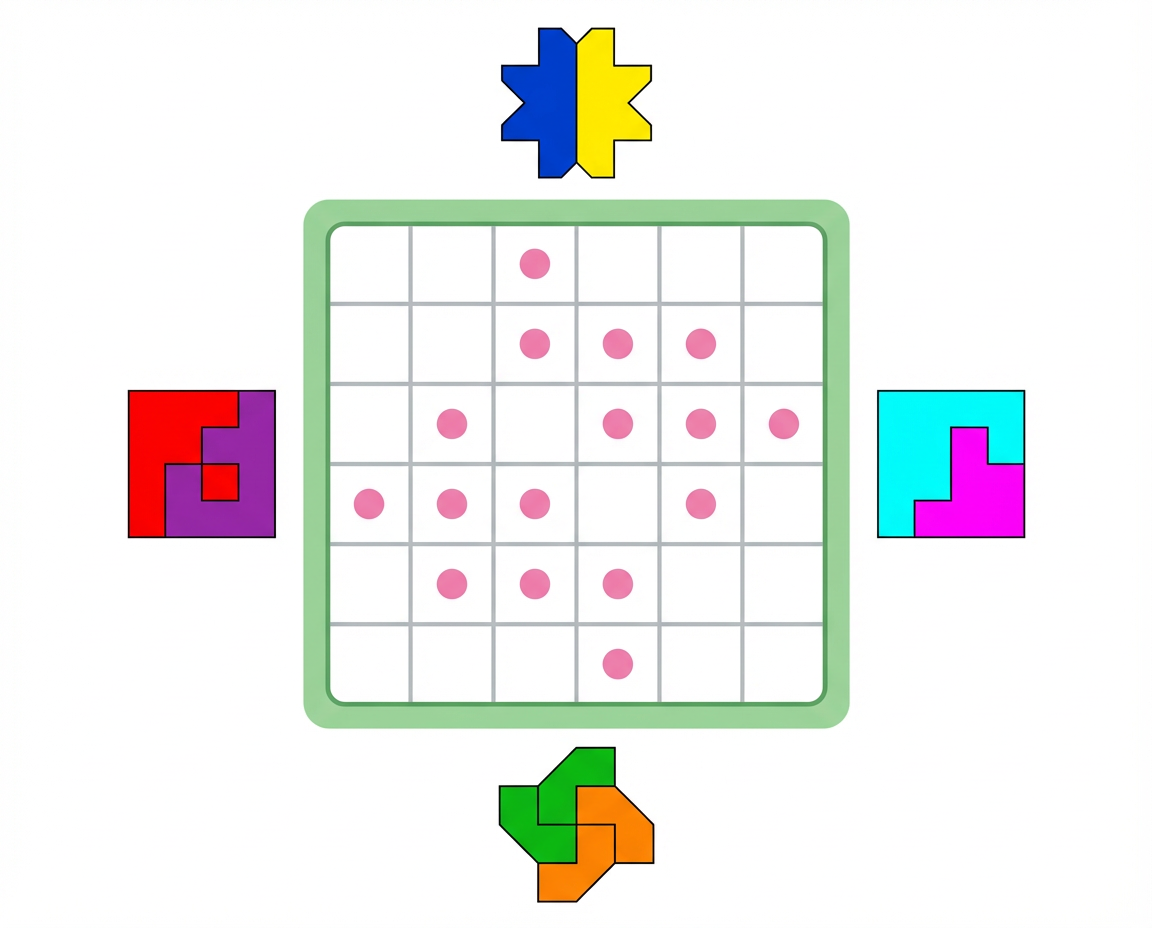
Grid Challenge
Test working memory and spatial reasoning
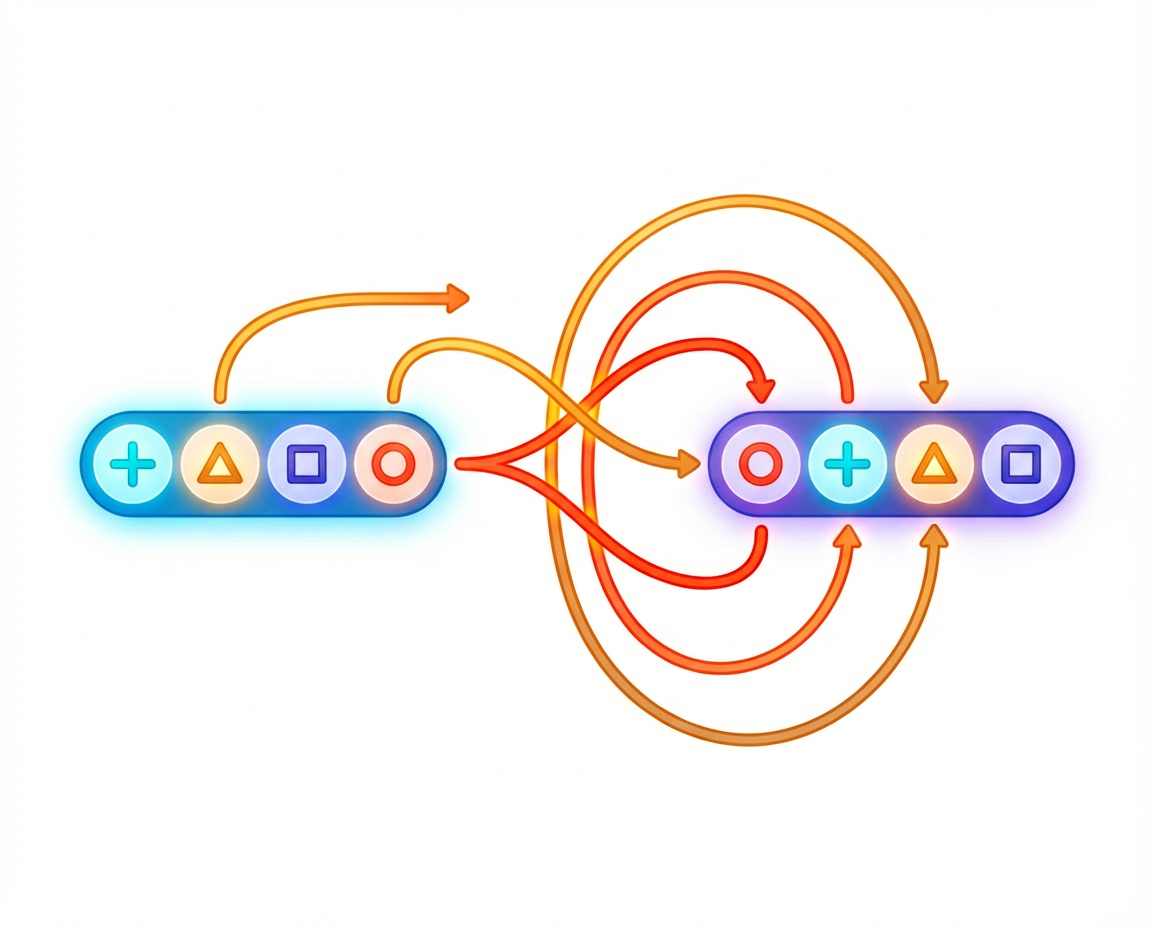
Switch Challenge
Track and apply abstract transformation rules

Word Relations Test
Master vocabulary logic and verbal analogies

Personality Assessment
Discover your professional personality profile

Situational Judgment Test
Navigate realistic workplace scenarios
MindGrid Memory Challenge
Challenge your visual memory and pattern recall
What is in this catalogue
The twelve JTP modules on this page offer different practice activities. Start by identifying the skill in your actual invitation or a gap you want to address. Four modules use written or numerical material: numerical reasoning works from charts and tables, verbal reasoning works from passages, critical thinking asks you to judge arguments and inferences, and word relations tests how precisely you can name the link between two words.
Four are abstract: inductive reasoning asks you to find a hidden rule in shape grids, deductive reasoning asks you to apply one, spatial intelligence covers cube nets, rotations and projections, and the Switch Challenge asks you to work out which hidden operators rearranged a row of symbols. Two are memory formats — the Grid Challenge, which interrupts you with reasoning questions between memorising and recall, and MindGrid, a shorter pure-recall drill. The last two look at how you work rather than how you reason: the personality assessment and the situational judgment test.
How to choose which test to practise first
If your assessment invitation names a format, read the supplied candidate resources first. The choices below are optional JTP study suggestions, not a prediction of which test an employer uses. Pick a specific skill gap rather than buying or completing every module.
- If you need to interpret tables. Try a numerical example, label its units and explain why its denominator answers the question.
- If you need to read a passage carefully. Try verbal or critical thinking practice. Separate the stated information from an assumption and identify what remains unknown.
- If you need to reason about shapes. Try spatial, inductive or deductive practice. Describe a rule or viewpoint before checking another example.
- If you want to follow unfamiliar rules. Try deductive practice or the Switch Challenge. Work one change at a time and check it against the complete input.
- If you want to reflect on workplace choices. Read a situational judgment example or the personality format. Explain a trade-off honestly; a self-report profile is not a pass mark.
- If you want to rehearse a memory task. Read the Grid Challenge or MindGrid instructions. Their tasks and scoring differ, so compare each result only within its stated format.
How to get the most out of a practice run
- Learn the instructions before adding time pressure. Work through an untimed example and explain its method. Use timing only when it is relevant to your actual task.
- Choose a manageable session. Review a small set carefully. Available duration and question-count controls depend on the module; do not assume every format has the same settings.
- Review the reasoning behind an answer. Read the explanation when one is available. Feedback detail varies. If the method is unclear, return to a worked introduction example rather than treating a score as proof of understanding.
- Keep a specific error note. Record the mistaken step, a corrected method and a different example that tests whether you can use it again.
- Revisit a relevant gap. Compare your reasoning on a new example after a delay. Practice scores do not establish an employer pass mark or predict a hiring outcome.
Each test has its own page with the format, worked examples, a practice method and answers to the questions candidates ask most often. If you would rather read before you practise, the guides library covers the same material in article form, including how to prepare for an aptitude test in a week.